Hover Effects That Don’t Feel Clunky
The timing, easing, and restraint that separates smooth interactions from jarring ones. We’ll break down exactly why certain animations feel responsive and others feel delayed.
Read MoreMaster the subtle art of motion design that keeps users engaged without overwhelming them. From hover effects to scroll-triggered animations, we’ll show you how Malaysia’s top designers bring websites to life.
Practical guides and techniques for implementing smooth, engaging animations on your website.
The timing, easing, and restraint that separates smooth interactions from jarring ones. We’ll break down exactly why certain animations feel responsive and others feel delayed.
Read More
Scroll-triggered animations can feel magical or gimmicky. This guide covers the difference—and when to actually use them instead of defaulting to fade-in-on-scroll for everything.
Read More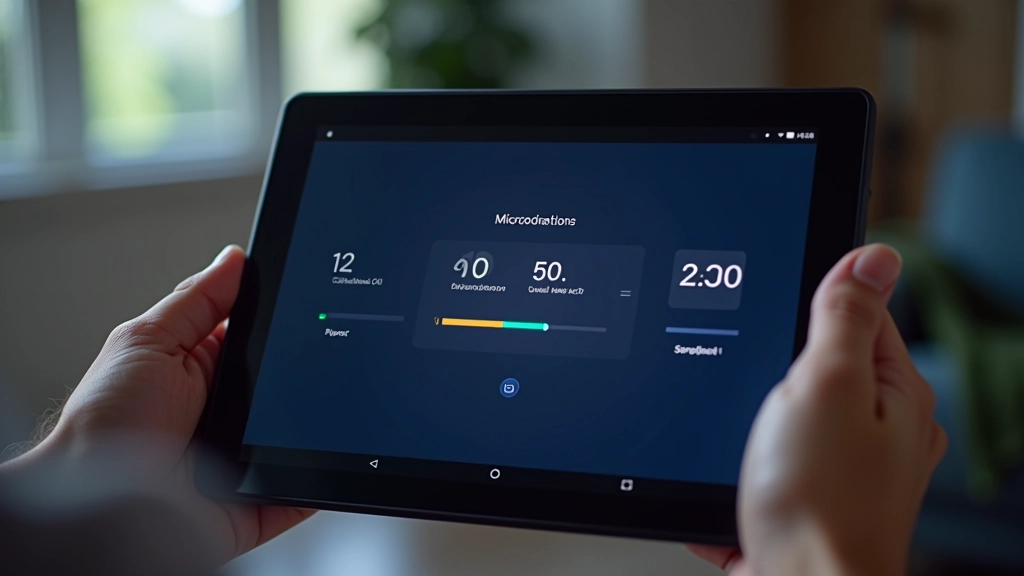
Users don’t mind waiting if they know something’s happening. Skeleton screens, progressive loading, and micro-feedback animations all communicate progress differently. Learn which to use where.
Read More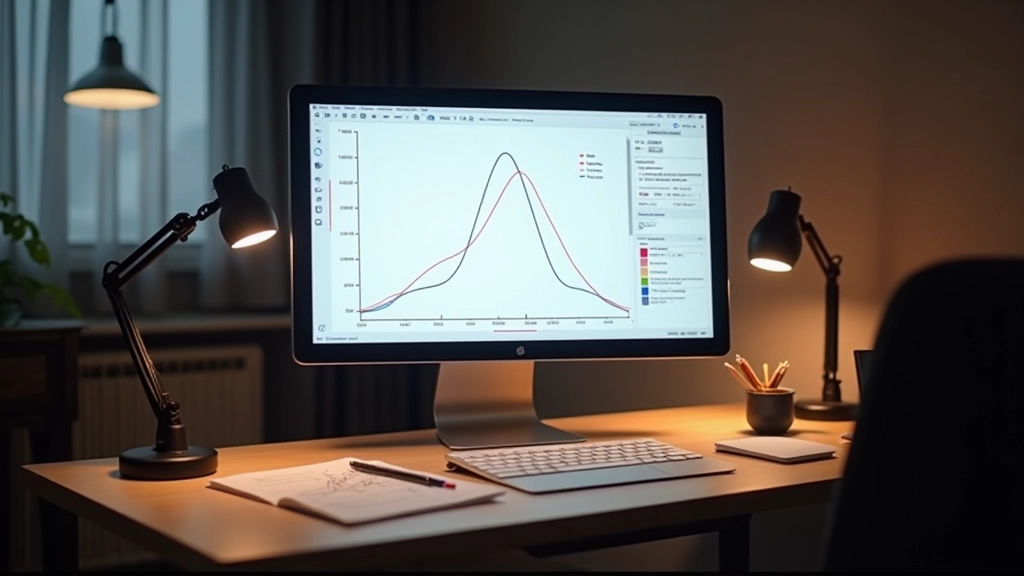
Linear motion feels robotic. We’ll walk through cubic-bezier curves, spring functions, and why a well-chosen easing function makes the difference between professional and amateurish animations.
Read MoreNot every interaction needs animation. The best motion design is invisible—users shouldn’t notice the animation itself, just that the interface feels responsive and alive.
When you establish a 300ms standard for transitions across your site, users develop an intuitive understanding of how the interface responds. Varying it randomly creates cognitive friction.
Every animation should communicate something—state change, spatial relationships, feedback. Decorative animations are distracting. Ask: what does this animation help the user understand?
Not everyone can comfortably view fast-moving animations. Always respect the prefers-reduced-motion setting and provide alternatives for users with vestibular disorders.
From CSS to JavaScript, here’s what Malaysia’s designers are actually using to create motion.
Best for simple state changes. Button hovers, color shifts, size adjustments. Lightweight, performant, and doesn’t require JavaScript.
For more complex sequences with multiple keyframes. Loading spinners, bouncing effects, continuous animations. Still GPU-accelerated and performant.
When you need advanced control. Timeline sequencing, complex scroll animations, staggered effects. Industry standard for sophisticated motion.
JavaScript-based animations with fine-grained control. Great for interactive animations that respond to user input in real-time.